4 Ways to Make Money Selling 3D Models in 2026
Turn your creative 3D concepts into cash with four actionable monetization strategies for makers and designers.
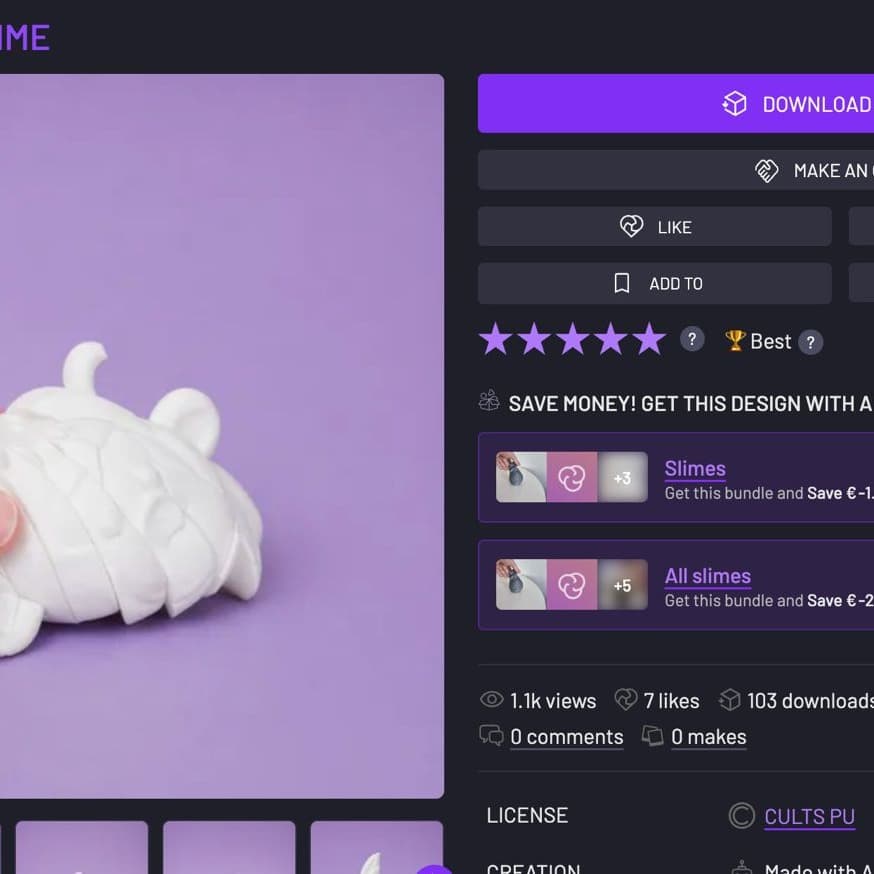
You can make money selling 3D models through four proven methods: earning rewards on free platforms, selling digital files on marketplaces like Cults3D, building recurring subscription revenue on Patreon, or selling physical 3D printed products. Whether designing manually or with AI, monetizing your creations is highly achievable.
How Can I Make Money Selling 3D Models?
To make money selling 3D models, you must choose the right distribution channel for your goals. You can trade free downloads for platform reward points, sell individual digital files, offer monthly subscriptions to dedicated fans, or physically print and ship the finished products to eager retail customers.
For ambitious creators looking for 5 Best Ways to Get 3D Printing Designs You Can Actually Sell, the barrier to entry has never been lower. In the past, earning an income from 3D printing meant spending hundreds of hours learning complex CAD software. Today, you can focus strictly on idea generation and marketing, leaving the heavy lifting of design to artificial intelligence.
Method 1: Upload to Free Sites for Reward Points
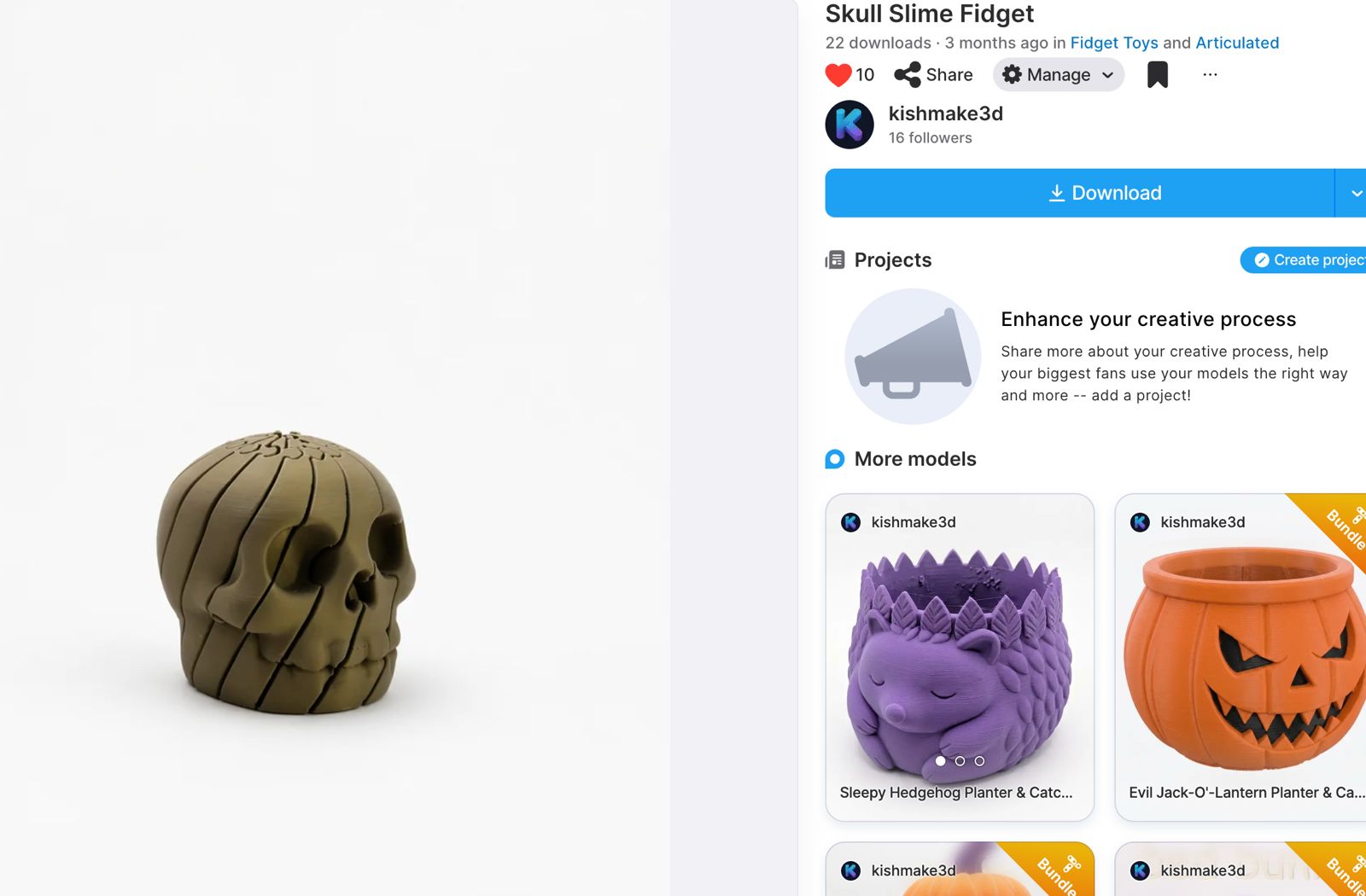
If you are just starting out, one of the most rewarding ways to monetize your hobby doesn't actually involve direct cash. Platforms like MakerWorld and Printables operate on a rewards-based system. You upload your STL files for free, and every time another user downloads and prints your design, you accumulate platform points.
These points can be redeemed for highly valuable goods, predominantly free spools of filament, spare printer parts, or even brand new 3D printers. For many makers, eliminating the cost of raw materials by cashing in points is just as good as putting cash in their pocket, allowing their hobby to completely fund itself.
Reward Platforms
Pros
- Incredibly easy to get downloads since files are free for users.
- Rapidly builds your brand and follower count.
- Provides a steady stream of free filament and hardware.
Cons
- Does not usually provide direct cash payouts.
- Requires a high volume of downloads to earn major rewards.
Method 2: Sell Premium Models on Marketplaces
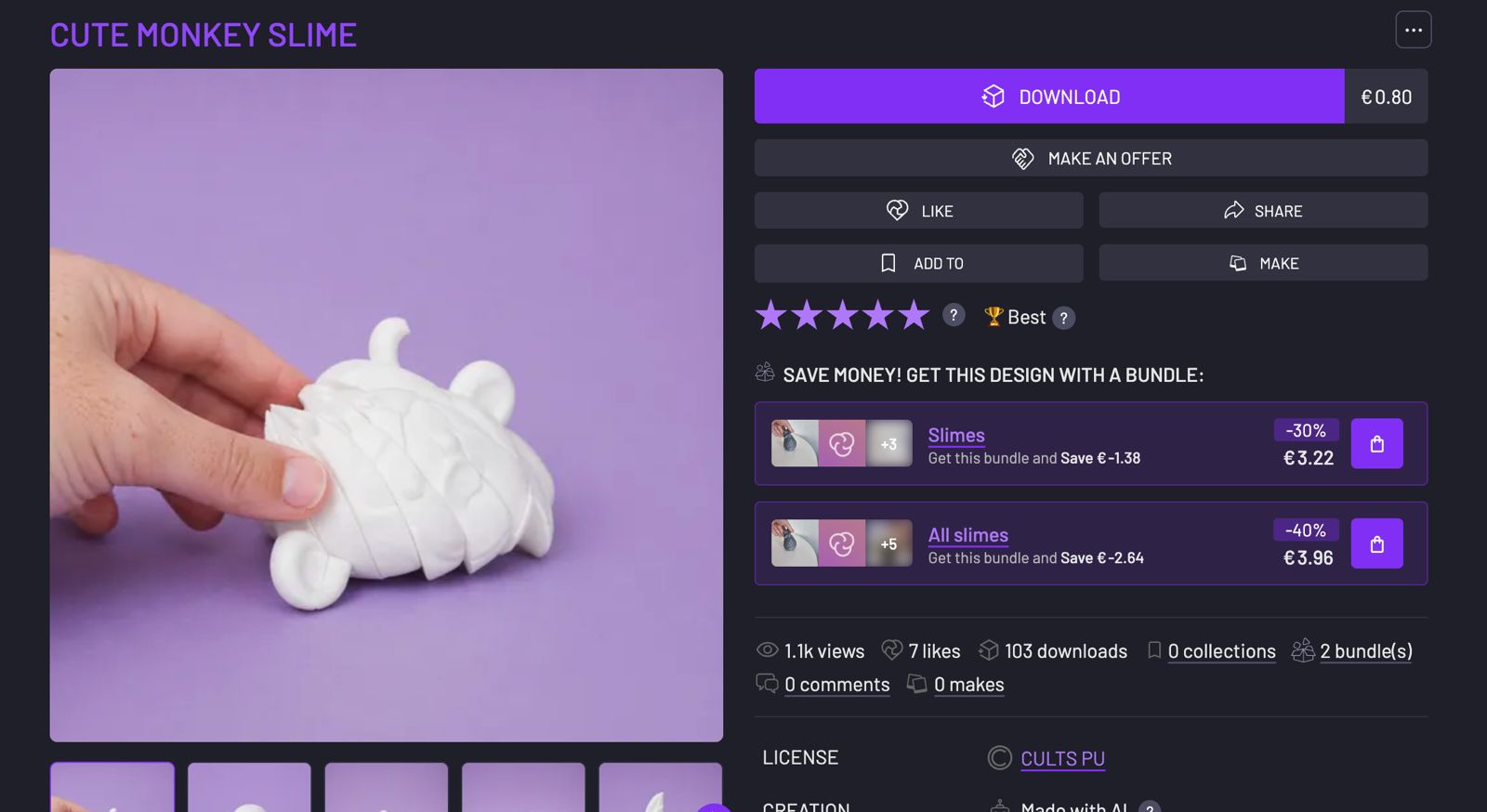
Once you have a portfolio of high-quality designs, you can move into selling individual digital files. Marketplaces like Cults3D, MyMiniFactory, and CGTrader allow you to set a fixed price for your STL files. When a customer purchases your model, you receive the majority of the sale price, while the platform takes a small commission.
This is a fantastic form of passive income. You design the model once, upload it, and it can sell hundreds of times over the coming years without any additional effort on your part. Success here relies on creating highly sought-after niches, such as tabletop gaming miniatures, functional household organizers, or highly detailed cosplay props.
Digital Marketplaces
Pros
- True passive income—sell the same file infinitely.
- Access to a massive built-in customer base searching for files.
- You retain complete ownership of your intellectual property.
Cons
- High competition from other talented designers.
- Platform fees can eat into your profit margins over time.
Method 3: Build a Subscription Catalog
For the truly dedicated designer, the holy grail of monetizing digital files is recurring revenue. By setting up a catalog on platforms like Thangs, Printables Clubs, or Patreon, you can charge your biggest fans a monthly subscription fee.
In exchange for their monthly payment, subscribers typically get access to a backlog of your premium models, exclusive new releases each month, and crucially, commercial licenses. Many subscribers are owners of 3D printing print farms who gladly pay $10 to $30 a month for the legal right to print and sell your designs physically.
Subscription Services
Pros
- Predictable, recurring monthly cash flow.
- Builds a highly loyal, private community of super-fans.
- Tiered pricing allows you to upsell commercial rights for higher fees.
Cons
- High pressure to deliver fresh content every month without fail.
- Very difficult to gain initial traction without a pre-existing audience.
Method 4: Sell the Physical 3D Printed Products
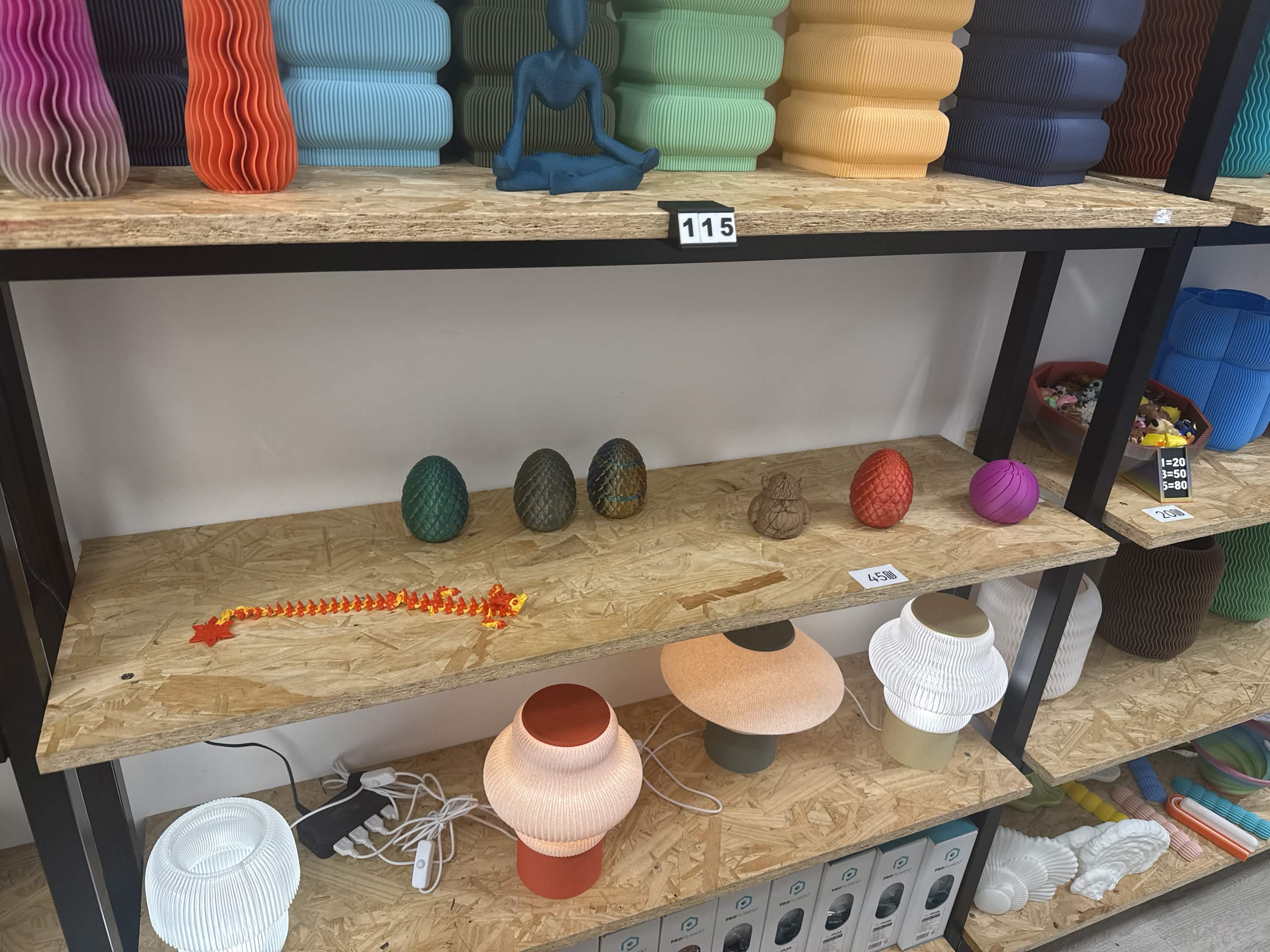
If you don't want to sell digital files, you can use your designs to power a physical retail business. By firing up your own 3D printers, you can manufacture the end-product and sell it directly to consumers on Etsy, Shopify, or at local craft fairs and farmer's markets.
This strategy opens your market up to the 99% of the population that does not own a 3D printer. The profit margins on physical prints can be enormous—a product that costs $0.50 in plastic might sell for $15.00 online. However, you are no longer just a digital artist; you are running a manufacturing and fulfillment logistics company.
Physical Retail
Pros
- Massive profit margins on a per-item basis.
- Access to mainstream consumers, not just 3D printing enthusiasts.
- Tangible brand building with physical packaging.
Cons
- Requires highly active labor for printing, post-processing, and packing.
- Hardware maintenance and shipping logistics can become overwhelming.
Comparing the 4 Monetization Strategies
Not sure which path to take? Use this breakdown to match a monetization strategy with your current resources and goals.
Monetization Method | Revenue Type | Effort Level | Scalability |
|---|---|---|---|
Free Sites (Points) | Filament & Gear | Low (Digital only) | High |
Marketplaces (Per Model) | Passive Cash | Medium (Marketing required) | Very High |
Subscriptions (Catalog) | Recurring Monthly Cash | High (Constant creation) | Very High |
Physical Products | Active Retail Cash | Very High (Printing & Shipping) | Medium (Limited by printer capacity) |
How KishMake Helps You Make Money Selling 3D Models
If you want to discover The Easiest Way to Design for 3D Printing Today — Powered by AI, look no further than KishMake. The biggest hurdle to making money in 3D printing used to be the steep learning curve of CAD software. KishMake removes that barrier entirely.
With our AI-powered generation tool, you can rapidly prototype new ideas, test market demand, and build out a massive digital catalog in a fraction of the time it takes traditional designers.
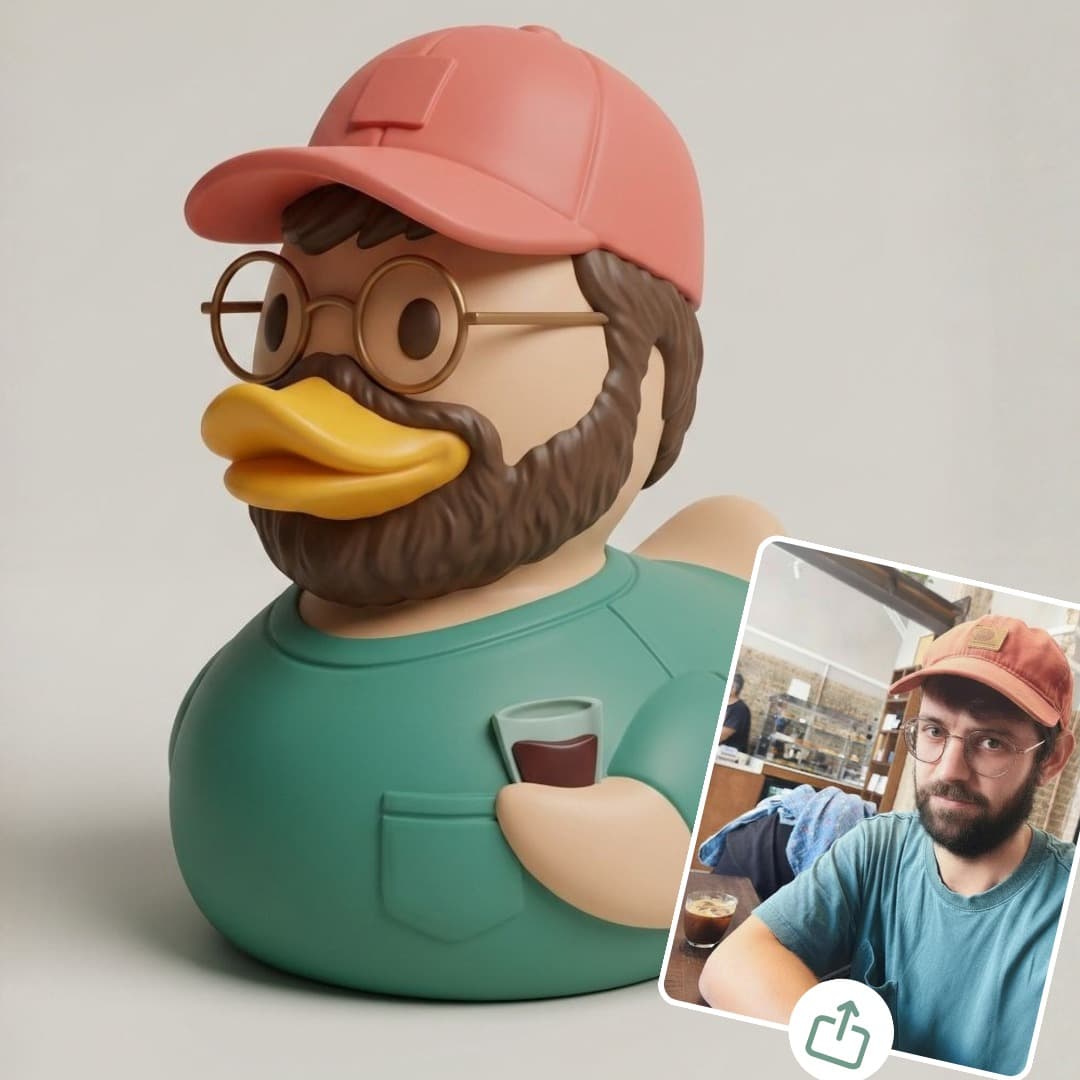
- Describe Your VisionEnter a descriptive text prompt or upload a simple reference photo into KishMake's AI engine.
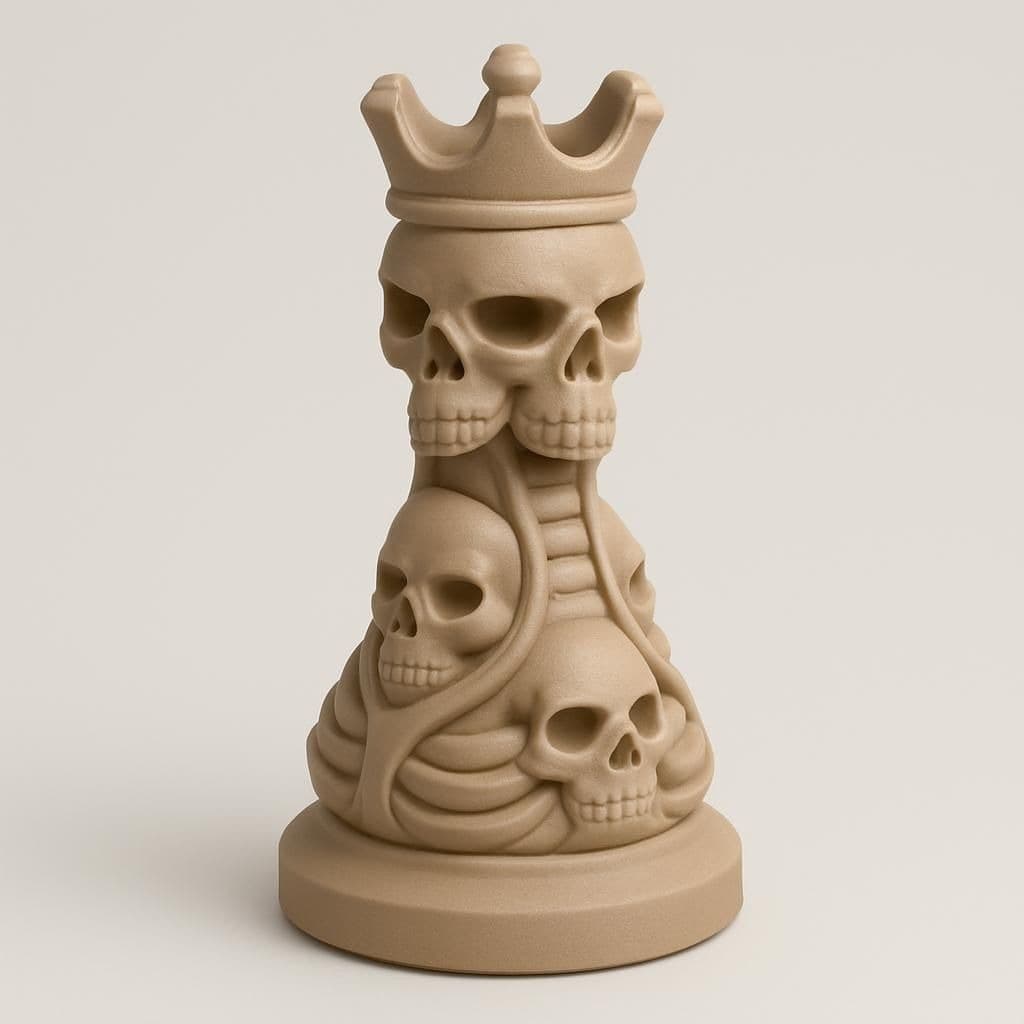
- Generate the GeometryLet the AI process your request and automatically create a watertight, print-ready 3D model in just minutes—no CAD skills required.
- Export and MonetizeDownload your finished STL file and instantly upload it to your chosen marketplace, reward platform, or send it straight to your slicer for physical production.
By accelerating your design process, KishMake empowers you to iterate faster, follow market trends in real-time, and ultimately maximize your revenue potential. Stop worrying about complicated software and start focusing on building your 3D printing empire today.
Frequently asked questions
Can beginners make money selling 3D models?
Yes, beginners can successfully make money selling 3D models. By leveraging AI generation tools like KishMake, you don't need advanced CAD skills. Focus on popular niches, create high-quality designs, and use reward platforms or marketplaces to build an audience and start earning income quickly.
Which platform is best for selling 3D models?
The best platform depends on your strategy. Cults3D and MyMiniFactory are excellent for selling individual premium files. If you want recurring revenue, Thangs and Patreon are ideal for subscriptions. For earning material rewards, MakerWorld and Printables offer fantastic points systems for free downloads.
Is selling physical 3D prints profitable?
Selling physical 3D prints can be highly profitable due to low material costs and high perceived value. However, it requires active management, including printing, post-processing, packing, and shipping. Success relies on finding a unique niche, pricing items correctly, and maintaining reliable quality control.
Related reading

Run a 3D-print store? Embed KishMake into your site.
Join the API waitlist for early access to design-on-demand for your customers.
